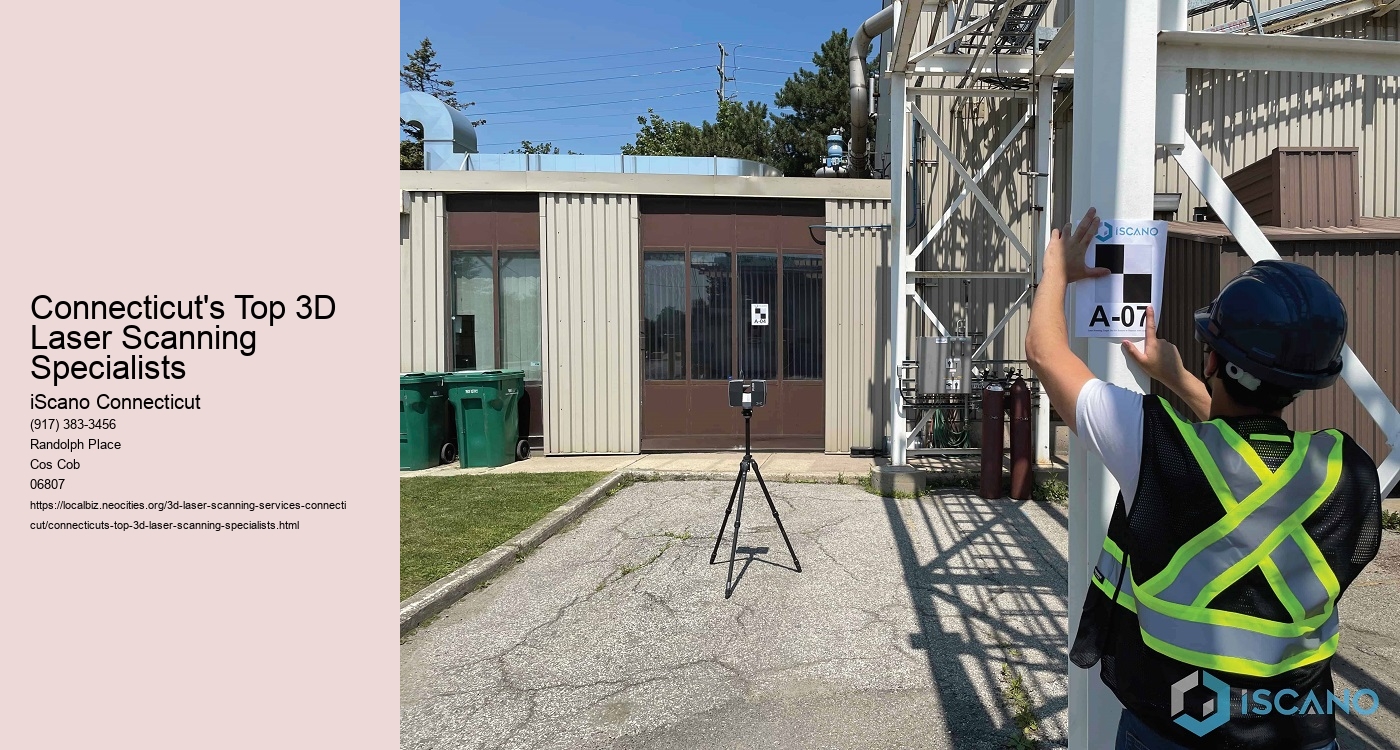
Reinventing Mapping and Surveying: 3D Laser Scanning Redefines Connecticut'' s Visual Landscape Technology in visualization has actually taken a giant leap onward with the advent of 3D laser scanning technology. Connecticut's Top 3D Laser Scanning Specialists . This sophisticated device is changing the method we perceive and engage with our environments, specifically in the context of mapping and surveying in Connecticut. With its unmatched accuracy and efficiency, 3D laser scanning is improving markets and unlocking brand-new opportunities for city preparation, facilities growth, heritage conservation, and a lot more.
Connecticut, with its diverse terrain and abundant social heritage, provides a myriad of challenges and opportunities for visualization technologies. Conventional approaches of mapping and surveying frequently battle to record the intricate details of its landscapes and frameworks. However, 3D laser scanning uses a solution that exceeds these constraints, supplying extremely exact and in-depth depictions of both natural and man-made environments.
One of the essential advantages of 3D laser scanning is its capacity to record information rapidly and non-invasively. By discharging laser pulses and determining the moment it considers them to return, scanners can create specific three-dimensional versions of items and landscapes with exceptional speed. This efficiency is especially valuable in Connecticut, where jobs usually face limited target dates and intricate terrain.
In addition, the level of detail captured by 3D laser scanning is exceptional. From the intricate facades of historic buildings in New Sanctuary to the sturdy topography of the Litchfield Hills, every nuance is faithfully replicated in the resulting digital designs. This degree of integrity not only improves the accuracy of mapping and evaluating efforts but likewise provides useful insights for conservation and restoration tasks.
In addition to its precision and performance, 3D laser scanning uses versatility that is unequaled by conventional techniques. Whether it'' s recording the layout of a building and construction website in Stamford or documenting the condition of a bridge in Hartford, scanners can adjust to a vast array of environments and applications. This versatility makes them important devices for engineers, engineers, excavators, and city planners throughout Connecticut.
Moreover, the information collected with 3D laser scanning can be conveniently integrated into numerous software program systems for more evaluation and visualization. By combining scan information with geographic information systems (GIS) or building information modeling (BIM) software application, stakeholders can get deeper understandings right into spatial relationships, recognize possible concerns, and make even more educated decisions. This assimilation is driving advancement in fields such as metropolitan style, transport preparation, and ecological administration.
Past its practical applications, 3D laser scanning is also adding to the preservation and paperwork of Connecticut'' s cultural heritage. By electronically catching archaeological sites, monuments, and artifacts, scanners are creating virtual archives that can be accessed and examined for generations to come. This not just aids to secure these essential social properties yet additionally offers scientists with vital sources for research study and interpretation.
Nevertheless, regardless of its many advantages, the prevalent fostering of 3D laser scanning in Connecticut is not without obstacles. Expense considerations, technological proficiency, and information administration issues are just a few of the aspects that companies should navigate when implementing scanning projects. Furthermore, the quick rate of technological development suggests that practitioners have to constantly upgrade their abilities and devices to remain ahead of the contour.
Finally, 3D laser scanning stands for a transformative advancement in visualization that is reshaping the method we perceive and communicate with our atmosphere. In Connecticut, this modern technology is unlocking new opportunities for mapping, evaluating, and cultural heritage preservation, while also driving innovation in a vast array of industries. As the technology remains to evolve, its possible to reinvent visualization in Connecticut and beyond is essentially endless.