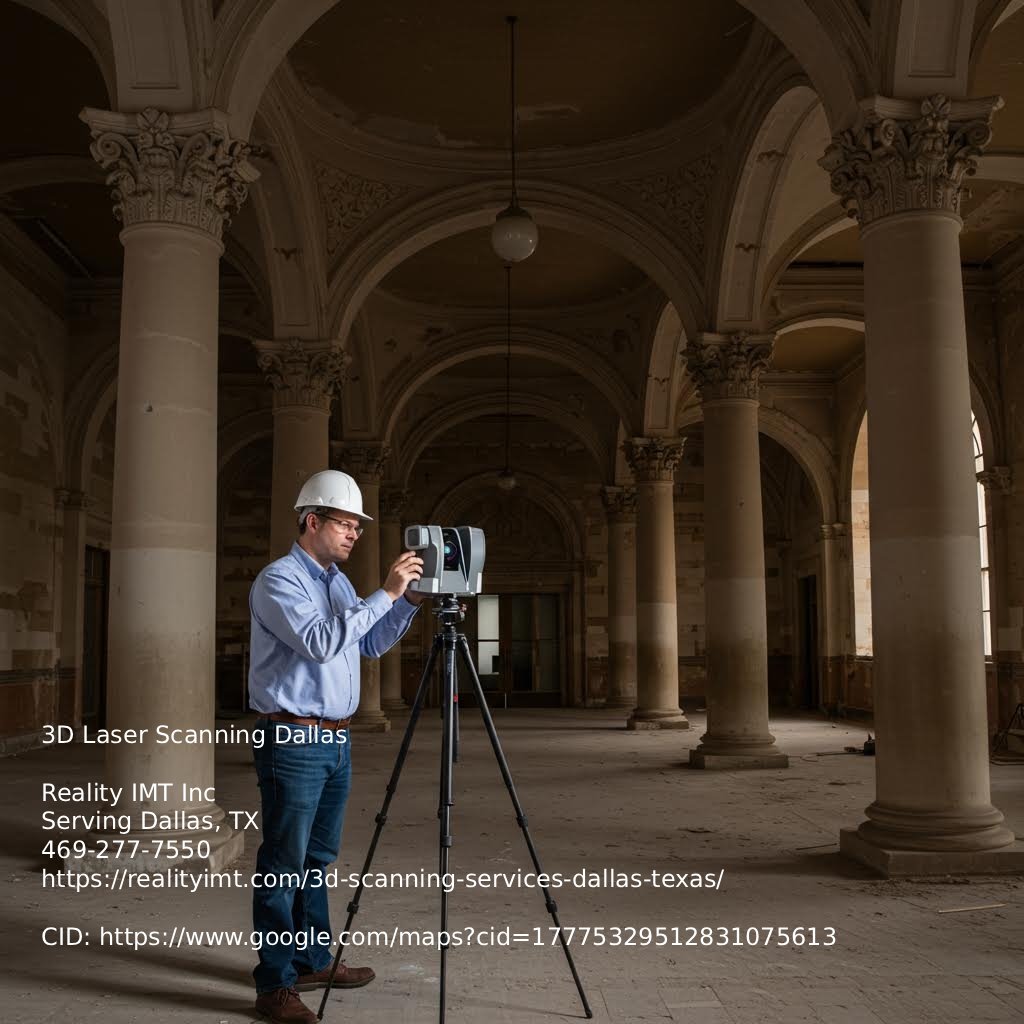
3D laser scanning is a fast way to document existing MEP systems in schools. Whether it's a university in Dallas or a K-12 school upgrading HVAC, scanning captures every visible pipe, duct, and conduit with millimeter accuracy. This helps in older buildings where drawings are missing or wrong. Scans create a point cloud that teams can turn into BIM models for planning work.
Architects and MEP engineers make fewer guesses during design. No need to wonder where a chilled water line runs or if there's space for new ductwork. The data shows it. Facility managers use scans to check existing conditions, find shutoff valves, or plan maintenance without opening walls.
Scanning is quick, but timing matters. Do it before demolition or construction starts. The building should be stable—no temp walls or gear blocking views. If you need accurate site data for your next project Dallas 3D laser scanning company ensures your team has the accurate building data needed to move forward with confidence.. Scanning too late, after changes begin, makes the data less useful. Skipping areas like mechanical rooms or crawlspaces also causes problems.
In Dallas, where schools range from small charters to large campuses, accurate records matter. 3D scanning gives teams a solid starting point. It helps avoid clashes, change orders, and delays. Now, it's expected.
Educational buildings in cities like Dallas often include older construction, additions from different decades, and complex mechanical systems that have changed over time. Original drawings or recent plans rarely match what’s actually inside the walls and ceilings. Here is why 3D laser scanning matters. It captures exact measurements of current conditions, so architects and engineers don’t have to guess during renovations or upgrades.
MEP systems—mechanical, electrical, and plumbing—run through tight ceiling spaces, behind old infrastructure, and around undocumented structures. Missing a beam or misjudging a duct’s size can cause delays and extra costs. 3D scanning creates a full digital model of the building, including hard-to-access spots like utility tunnels, crawl spaces, and ceiling plenums.
Facility managers also face tight schedules. Most work happens during short summer breaks or overnight shifts. There’s no time for mistakes that cause rework. Accurate scans let teams build parts off-site and avoid surprises during installation. They also help with long-term planning in buildings with historical features or ADA requirements.
Skipping scanning or using old drawings leads to problems. Walls are in the wrong place. Pipes clash with new systems. In schools, these mistakes delay openings and disrupt students. That’s why scanning matters. It sets the foundation for getting the job done right.
3D laser scanning lets teams document large school buildings quickly, often in hours instead of days. This works well with tight school schedules or short breaks. The process is non-invasive and doesn’t touch building surfaces. Once set up, the scanner collects millions of data points in minutes. This cuts down on site visits and speeds up planning. Here is why that matters: faster scans mean design and engineering can start sooner, keeping projects on schedule.
Since scanning is contactless and quiet, it barely affects daily school activity. Teams can scan outside class hours or even during sessions with little disturbance. There’s no need to move furniture, shut down systems, or block areas. In busy places like K-12 schools or universities, this matters. It lets teams collect building data without stopping school operations.
Laser scanning is much more accurate than manual methods. It captures complex ceilings, wall shapes, and MEP systems with millimeter-level detail. In older schools with missing or outdated drawings, this fills in gaps. It also lowers the chance of design errors, which can lead to costly changes. Let’s break it down: accurate scans help avoid system clashes and ensure everything fits as planned.
Once converted into a point cloud or 3D model, scan data becomes a shared reference. Architects, engineers, and contractors can work from the same base model. This cuts miscommunication and avoids duplicated work. It also helps MEP systems fit better with other building parts. A shared model encourages faster problem-solving and better decisions across the team.
Starting with 3D scanning removes guesswork and lowers the risk of rework. With solid building data, teams can plan with more confidence and avoid surprises. In schools with tight budgets and strict deadlines, this isn’t optional. It’s necessary. The digital models can also help with future repairs or upgrades. Next steps: better planning, fewer delays, and tighter control over costs.
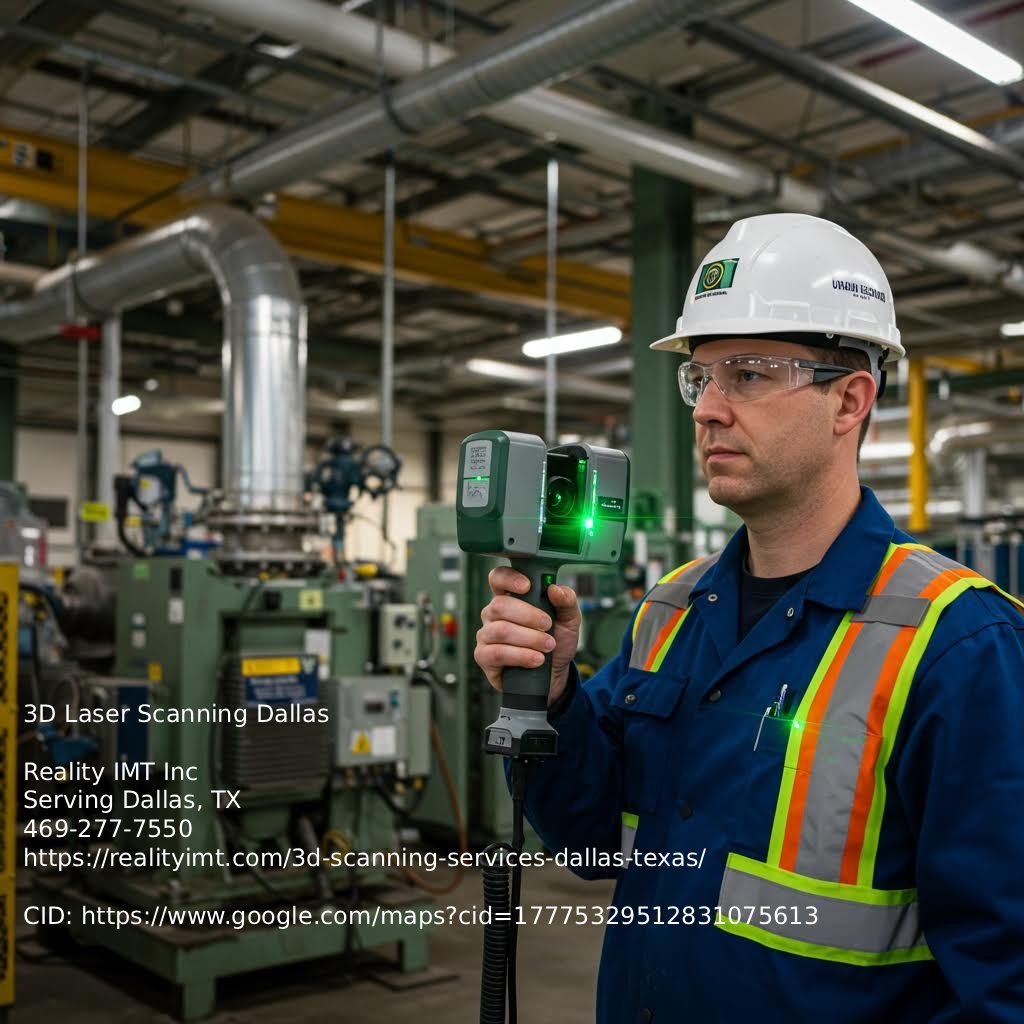
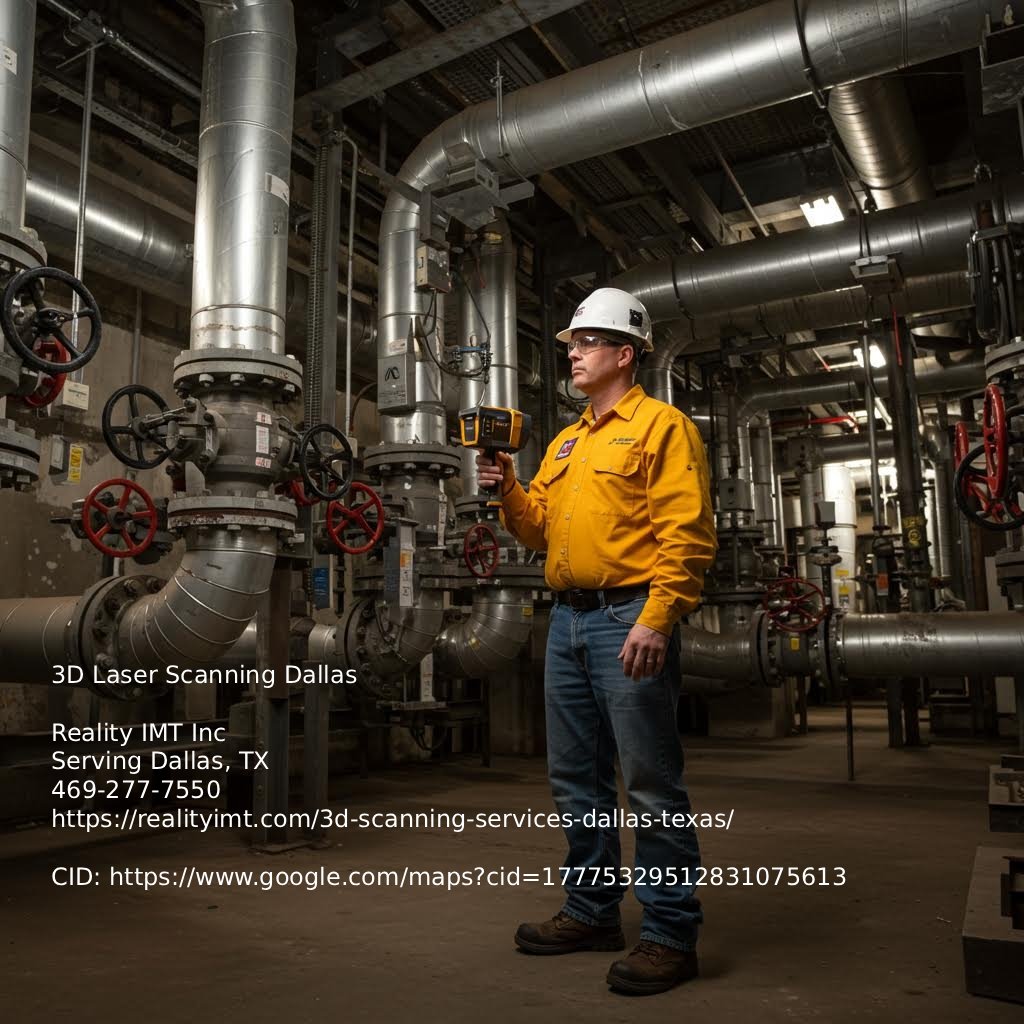
When scanning a school building, focus on the systems that matter most. Start with HVAC. That includes ductwork, air handlers, VAV boxes, and diffusers. These often run above ceilings or in tight mechanical rooms. If you miss them or capture them poorly, renovation plans can fall apart. You need to see duct routing, clearances, and connections to rooftop units or chillers in the scan.
Next, look at electrical systems. Focus on conduit runs, panels, cable trays, and junction boxes. In schools, these often run above ceilings or through utility corridors. If you're planning an expansion or retrofit, knowing where conduits go helps avoid surprises. Many schools have older systems mixed with newer ones. Scanning helps you see what's active and what's been left in place.
Fire suppression lines matter too. Capture sprinkler mains, branch lines, and heads. This is especially important in code-driven projects where clearance and coverage count. Missing a pipe can lead to redesigns. These lines often sit close to the structure or weave through other systems, so you need high-resolution scans to tell them apart.
In Dallas, school buildings often have complicated MEP setups from years of renovations. 3D laser scanning shows you what’s really there. Here is why: original drawings are rarely accurate. The scan becomes your most reliable reference.
Capturing MEP systems in older educational buildings in Dallas takes tools that can handle tight, complex spaces. Current 3D scanning options include stationary LiDAR units, mobile mapping systems, and photogrammetry setups. Each works better in different conditions and detail levels.
Static LiDAR scanners give the most accurate data. Mounted on a tripod, they rotate to collect millions of points. These work best in mechanical rooms, above-ceiling spaces, and crowded utility corridors. They take more time but produce high-resolution point clouds. That’s key when documenting dense ductwork, conduit, or piping.
Mobile scanning—handheld or cart-based—offers speed with less precision. It helps in schools with limited access or tight renovation schedules. But these systems can struggle in small areas or with shiny surfaces. Check their results against fixed scans in sensitive spots.
Photogrammetry adds visual context, like in ceiling plenums or wall cavities. It’s less accurate and works better as a backup. Lighting and surface texture affect results, so setup is important.
For school projects, teams often use a mix. You might scan classrooms with mobile units, then switch to LiDAR for mechanical basements. Here is why: missing detailed scans of MEP areas can lead to delays or change orders. Getting it right early avoids rework.
When scanning educational buildings, timing matters. You need to avoid disrupting classes, students, or daily routines. Start by planning early. Coordinate with facility managers to scan during off-hours like weekends, holidays, or evenings. If the building stays open around the clock, focus on quieter zones and stagger your scans.
Before setting up the scanner, walk the site. Watch for reflective surfaces such as glass walls or polished floors that can distort point cloud data. Tape off or cover those spots if needed. Also, make sure you can access mechanical rooms, ceiling plenums, and utility corridors. These areas often stay locked, and missing them can throw off the whole model.
Use high-resolution settings in tight areas with lots of MEP systems—above ceilings, inside mechanical rooms, or near utility chases. Lower-resolution scans might miss small but important parts like conduit runs or valve labels. Don’t count on fixing it later. If it’s not in the scan, it’s gone.
Track your scan positions. Use clear naming conventions and take photos of each setup. School layouts can get confusing with similar hallways and multiple buildings. Losing track of a scan location slows everything down later.
Watch out for noise. Avoid scanning during janitorial work, HVAC maintenance, or anything that causes movement or vibration near the scanner. Even small shifts can distort long-range scans.
Last step—talk to the staff. Let them know which areas are off-limits, how long scanning will take, and what to expect. A clear plan helps avoid surprises and keeps people from walking into scan paths.
Once scanning wraps up, the next step is pulling useful data. For schools in Dallas, this usually means point clouds, BIM models, and updated floor plans. These are what architects, engineers, and facility teams actually use to plan and build. The point cloud is raw 3D data—millions of points showing every visible surface. It’s accurate to the millimeter. That matters when fitting new systems into tight ceiling spaces or matching existing layouts during a renovation.
BIM models come next. Teams build them using the point cloud as a guide. They can be simple or detailed, depending on the project. In older schools with little documentation, this might be the first usable digital model. That can save weeks during design.
Floor plans are another must. These updated 2D drawings support code checks, space planning, and construction staging. Skip them or use old ones, and you risk field clashes, delays, and change orders. In schools, where time and money are tight, that’s a problem.
Accuracy drives everything. If the scan is off, the BIM model and floor plans will be too. So it’s not just about collecting data. It’s about making sure the outputs are clean, consistent, and ready for the team doing the work.
When you scan a school with 3D laser tools, you capture more than just shapes. You create a digital base that connects to BIM software and maintenance tools. MEP systems often hide behind walls or ceilings, making them hard to measure with tape or old drawings. Laser scans show these systems exactly as they are, so there’s no guessing later.
In Dallas, schools getting upgrades use this MEP data in BIM. Architects and engineers bring the point cloud or model into Revit or similar tools. They overlay new designs without hitting existing ductwork, conduit, or piping. That helps avoid costly surprises. Say a school plans to move HVAC lines but finds out during demolition that the drawings were wrong. With 3D scanning, that’s less likely.
After construction, facility teams use the same data to find system locations for repairs or updates. Instead of opening ceiling tiles to find a valve or running wire through tight spaces, they check the model. That saves time and avoids school disruptions. But the scan must be accurate. If key spots—like utility chases or mechanical rooms—are missed, the model becomes less useful. So, plan your coverage and scan resolution carefully. Missed data means another trip to scan again.
3D laser scanning is now a go-to method for documenting MEP systems in schools, especially to meet code requirements. In Dallas, many older school buildings need upgrades to pass current inspections. A digital model helps. It shows exact layouts of mechanical rooms, ceiling spaces, and utility runs. That’s key when checking fire code clearance, ADA access, or ventilation rules.
During inspections, scans reveal where pipes or ducts sit in relation to beams and walls. That helps spot problems early. If a shutoff valve is blocked or an electrical panel lacks clearance, the scan shows it before anyone steps on site. Digital records also make it easier to send documentation to code officials without extra visits.
One common mistake is trusting old drawings. In schools with years of retrofits, the original plans rarely match what’s there now. Scanning helps avoid surprises during construction or inspection. It also helps plan safe exits and check that sprinklers and alarms are in the right spots.
Skip scanning, and you risk delays. If the city inspector finds a problem, it can hold up your occupancy permit. For schools trying to finish renovations over summer break, that delay could push back the first day of class. Don’t take that risk.
In older educational buildings in Dallas, teams now use 3D laser scanning more often during retrofit projects. These scans capture the exact layout of existing MEP systems, which helps when planning mechanical or electrical upgrades. Without this data, teams rely on outdated or incomplete blueprints, leading to clashes and rework. A scan can reveal things like ductwork in unexpected places or undocumented piping changes.
3D scanning also supports seismic evaluations. Engineers need precise geometry of structural elements to assess how a building might respond to lateral forces. This matters in multi-story academic buildings or older facilities not built to current seismic standards. A laser scan gives enough detail to run models accurately—right down to beam placements and wall thicknesses—without opening walls or ceilings.
Energy audits gain from scanning too. When consultants check thermal performance or HVAC systems, they need a clear digital model of the building. Scanning gives them that right away, so they can use energy modeling tools more effectively. It saves time and avoids guesswork.
Here is why it matters: Accurate information lowers risk. If you skip scanning and guess, you face delays, surprises, and higher costs. A few days of scanning early on can prevent that.
For teams working on schools in Dallas, 3D laser scanning often comes first before design or renovation. Project managers usually ask how long it takes. For a mid-sized school—around 80,000 to 150,000 square feet—the scan takes one to two days if access is set up in advance. Processing the point cloud and making usable models like Revit or AutoCAD takes a few more days, depending on how detailed they need to be.
Here is why timing matters. The scan usually happens after site access is approved but before demolition or major interior work. If ceiling tiles are already down or ductwork has changed, the scan won’t reflect the original layout. That’s a problem if you need to match existing MEP systems or confirm as-built conditions.
Next, check data compatibility. Most Dallas scanning firms deliver point clouds in .RCP or .E57 formats and can convert to Revit (.RVT) if asked. Make sure your software supports those formats. Some architects expect a full BIM model with LOD 300 or higher, but unless that’s in the scope, you may only get raw point cloud data. Misunderstandings here cause delays.
One more tip: review the scan plan before work starts. If roof access or crawl spaces are missed, you’ll get incomplete data and might need a second visit—expensive and avoidable.